
Lost
A deeper wisdom to be found when we're lost and far from home

This is the first of a couple of articles on the concepts of being lost, and finding home.
Realising we’re lost is an unsettling feeling. It’s not just not knowing where we are, but a deeper feeling of losing our bearings. An inner sense of confusion, anxiety, even dread. Some stages of our lives feel like that; when the security of our reference points vanishes and we don’t know where we are, or perhaps even who we are.
Milk Shakes
Growing up, I spent lots of time on farms with my dad and my older brothers. Just north of my hometown runs into steep, rugged hill country. Rangitīkei sheep country. To be clear, I’m a townie, not a country kid, but I spent a lot of weekends on these farms, learning to ride motorbikes, navigate the hills and tracks, and find my way home.
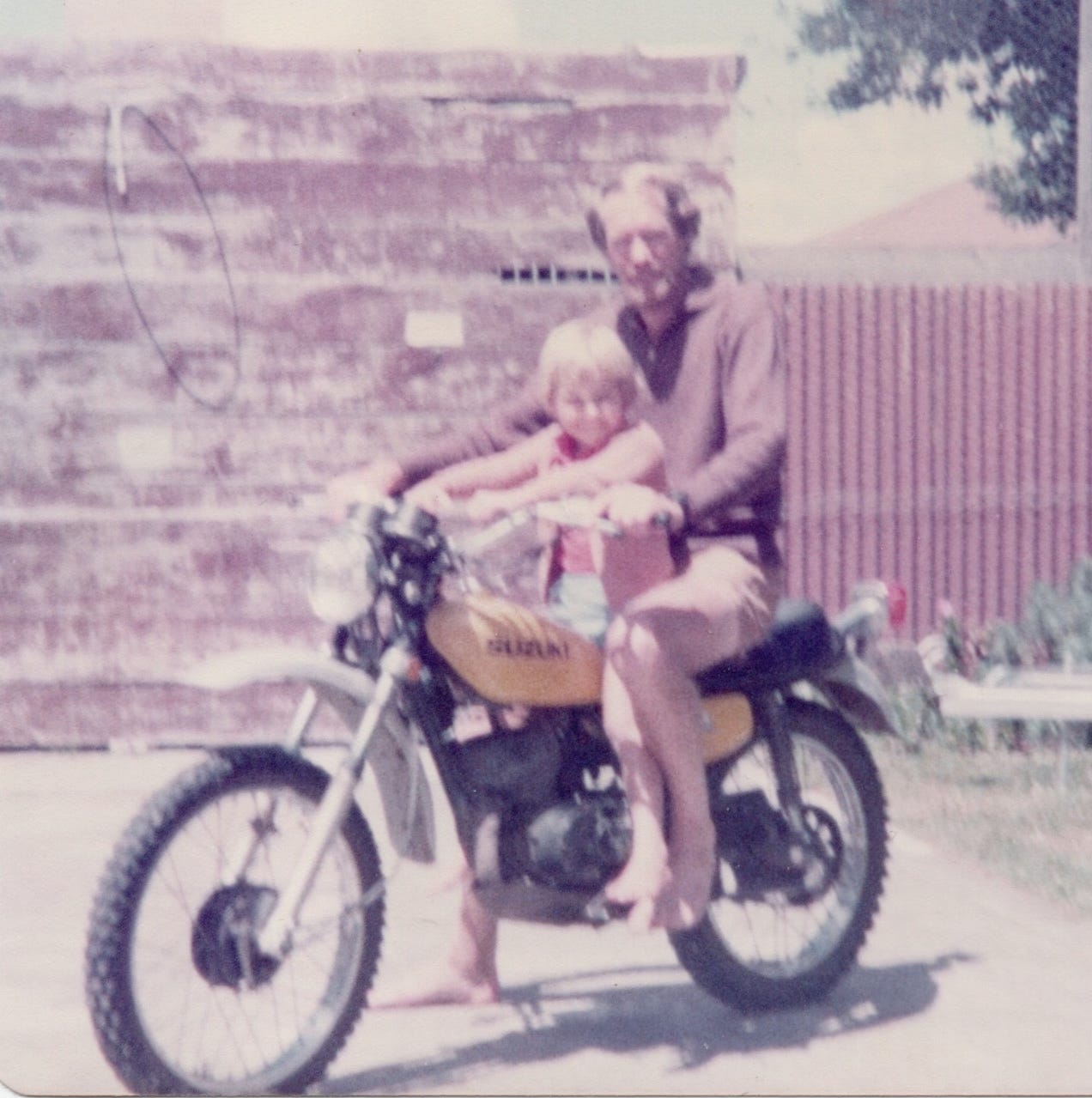
Some of my earliest memories are of sitting in front of Dad on the petrol tank of his bike as we explored these farms. One time we were way out the back of one farm, a spot Dad hadn’t explored before. We stopped on a high ridge; we could see hills and valleys for miles and miles. Dad was looking around, scratching his head, and then said, “Huh, I think we’re lost!” There was no hint of despair in Dad’s voice, but I burst into tears. I was perhaps five, too young to know where we were. But Dad knew everything, and he says we’re lost!
That wasn’t what Dad meant by ‘lost’. What he meant was we hadn’t ended up quite where he expected. Wrong turn, wrong hill. He still knew which farm we were on, where the boundaries and landmarks and tracks were. He tried to explain this to me, but my little nervous system didn’t want an explanation; it wanted soothing. I didn’t like feeling lost.
Dad’s not an emotionally overt kind of guy, not big on cuddles or words of affirmation. Partly a product of his generation perhaps, but mostly his innately pragmatic personality. He fished through a hidden bag of bits and pieces under the seat: spare sparkplugs, wire, bits of twine and tape, and he pulled out a Milk Shake. This iconic kiwi lolly soothed my sensitive little nerves so Dad could point out the ridges and tracks that led back to the woolshed, back to where we started, where the car was parked.

I still love Milk Shakes; not just the taste, but that recalled emotion of feeling safe.
Being Lost
Our lives go through stages and seasons. There are times of certainty and flow, when we’re in a rhythm, connected with the people around us, a sense of competency in what we’re doing, and even if it’s busy there’s balance and equilibrium.
But seasons never last. Things change. We might choose change; a new job, a new role, a different place to live, different circles to move in. Or perhaps change happens to us; the loss of a job, of health, of a relationship, or a painful bereavement. These life events shake our sense of stability and control. We don’t know how we got here, or why this happened. Things or people we placed our trust in are gone. Or worse, we discover those things or people to be untrustworthy. People might say we’ll be okay, but we don’t feel okay. We feel discombobulated, adrift, and painfully far from that sense of flow and equilibrium. We crave that sense of home, where everything is in its right place.
The Bach
A Bach (pronounced Batch) in New Zealand is a holiday home, usually near a beach or lake; a getaway place to relax and unwind. Our bach was nowhere near a beach or a lake. It wasn’t near anywhere. The nearest settlement was a one-pub-and-servo1 town over an hour’s drive away on winding, narrow, dusty gravel roads cut into steep, slippery sandstone hills. Navigating past an oncoming car needed skill. Navigating past an oncoming logging truck needed prayer.
This land and its waters – part of the vast catchment of the Whanganui River – had for centuries nurtured and sustained Whanganui Rver iwi (tribes). Willing signatories of Te Tiriti o Waitangi in 1840, they were subsequently alienated from this land by treaty breaches of the settler government, breaches still being reckoned with.2 Connection to land and water was deeply spiritual for Māori:
E rere kau mai te awa nui nei mai i te kāhui maunga ki Tangaroa.
Ko au te Awa, ko te Awa ko au.The great River flows from the mountains to the sea.
I am the River and the River is me.3
The land was later divided up and given to returning soldiers from World War II to farm, a thank you for their service to King and country. But these blocks were so remote and rugged that most couldn’t actually stay or make any kind of living there. For the tough souls who did stay, it was an inhospitable, isolated existence. Their stories of survival are sobering.
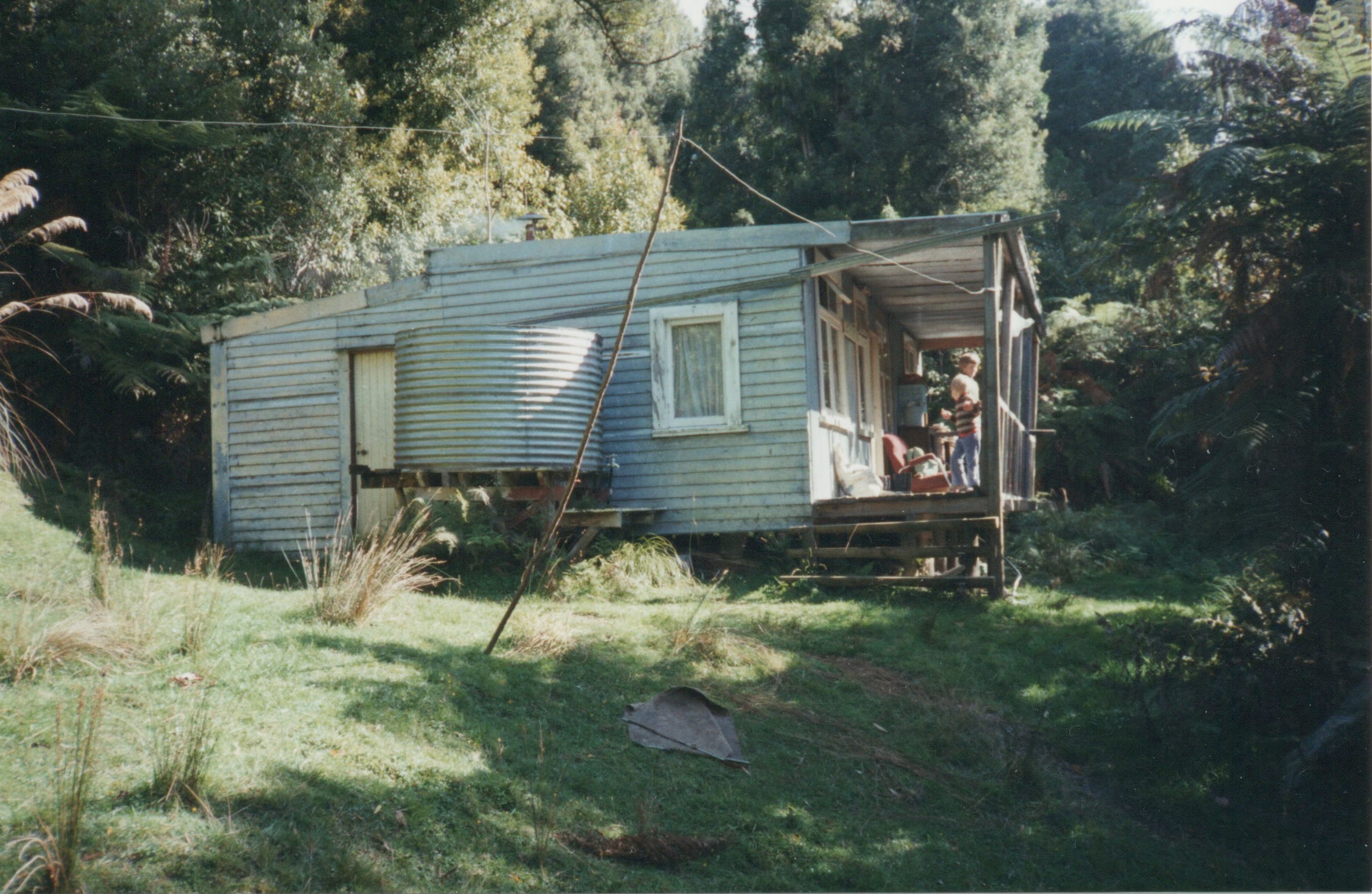
The bach wasn’t ours; it was an old logging gang’s quarters. It was primitive: tin roof and cladding, no insulation, no electricity, but a cast-iron coal range that cooked meals, heated the room and even provided hot water for a shower. Luxury. It was quiet, and yet not: we’d be woken at dawn by the morning chorus of native birdlife, and kept awake at night by the screeching call of Kiwi. The same chorus and calls heard here for centuries. Spectacular.
Good Keen Men
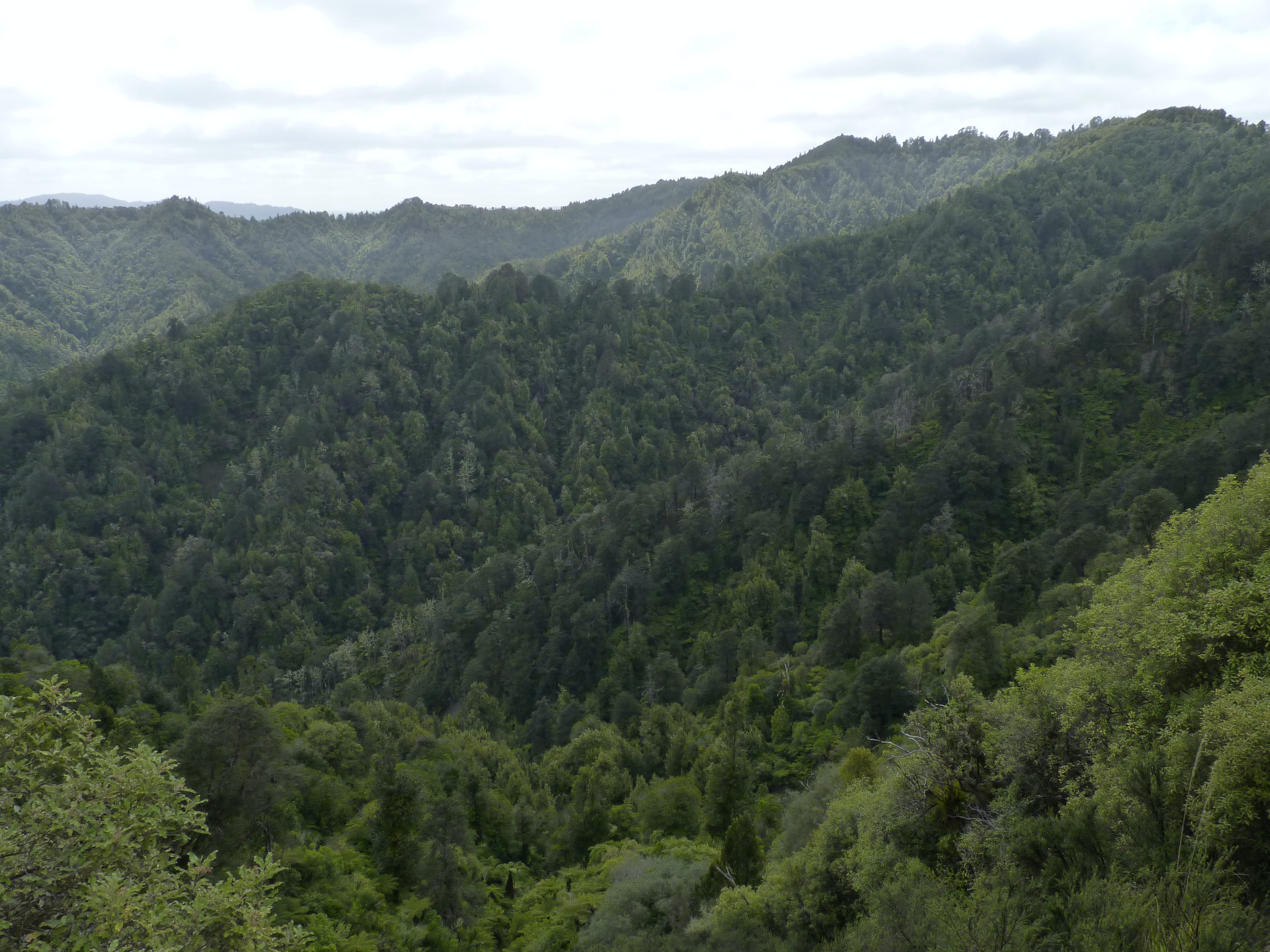
Dad and I headed out there one long weekend. I was in my early teens, my big brothers were working and doing their own thing by then. Dad was keen to explore an area of dense virgin bush up behind the bach by foot. There were no tracks, but you could follow the terrain and rough tracks formed by wild deer and goats. Beyond the stream by the bach was a steep spur that led up to the main ridge that separated our valley from the next one over. Dad’s plan was to go up this spur, along the ridge and back down the next spur to our dusty road half a mile down from the bach. Too easy.
The day was overcast; not gloomy, but the thick white clouds diffused the sun’s light without giving away its location. Climbing the spur was a couple of miles of steep bush-bashing, following a couple of turns but eventually finding the ridge. An expansive view unfolded of yet more valleys and ridges, on almost forever, it seemed. These were the environs of quintessential kiwi bushmen I grew up learning of, rugged blokes, like Barry Crump, the legendary good keen man who could survive in bush like this for months.

We tracked along our ridge for 20 minutes, then took the next spur back down into the native bush. As we followed a rough goat track, I noticed an old Rimu tree with an unusual lichen pattern on its massive trunk. We kept on for another 20 minutes or so, then came by another big Rimu with an uncannily similar lichen pattern. We paused for a drink, and I noticed something else: footprints in the damp soil. Not hooves; boots. They looked fresh. Could we have company way out here? I crouched and looked closer, and felt a chill as it hit me… these were our boot prints.
I flashbacked to being a kid on Dad’s motorbike, hearing Dad say ‘we’re lost’ and bursting into tears. I didn’t burst into tears this time; I had by then learnt that real kiwi blokes “keep calm and don’t make a fuss”. Barry Crump wouldn’t cry in the bush. Harden up snowflake. But I still felt it; that visceral, hollow chill deep in my gut.
Have you ever had that sense of going in circles in life? Patterns and habits–behavioural loops–we know harm others and ourselves. Try as we might, inevitably we end up circling back there, carrying a sense of failure and shame, and that sinking feeling we’re stuck, far from home.
A Deeper Wisdom
Dad, ever the pragmatist, sat down, pulled a muesli bar out of his pack, broke it in half and gave me a piece. He didn’t say much; he was as surprised as I was to see our own boot prints, but he still felt calm. Don’t panic, take a deep breath, listen to the birds. Panic doesn’t serve you well in the bush.
Dad pointed out the steep terrain here was actually our friend. We knew which side of the ridge we were on. Rain this side runs down these flanks into different creeks and gullies, but they all feed the same stream; the one that flows along the road the bach was on, and on to the Whanganui River. We just needed to slide down into the gully, find a creek and follow it, and we’d hit the road somewhere. Our internal compasses may have failed us, but the water wouldn’t.
Perhaps we can never truly be lost, if we learn to trust the land beneath us, and the deeper wisdom it holds.
We tracked our way down into the gully, battling soggy ground and thicker undergrowth; wet feet and wet backsides as we slipped and slid, but a clear creek was forming and beckoning, meeting another creek, and another, forming the stream that, sure enough, guided us eventually to the dusty gravel road we’d hoped to find hours earlier. We were a long way further down the road than we intended, our calves and shoulders complaining loudly by the time we returned to our palatial bach and stoked up the coal range for much anticipated hot showers to sooth our aching bodies.
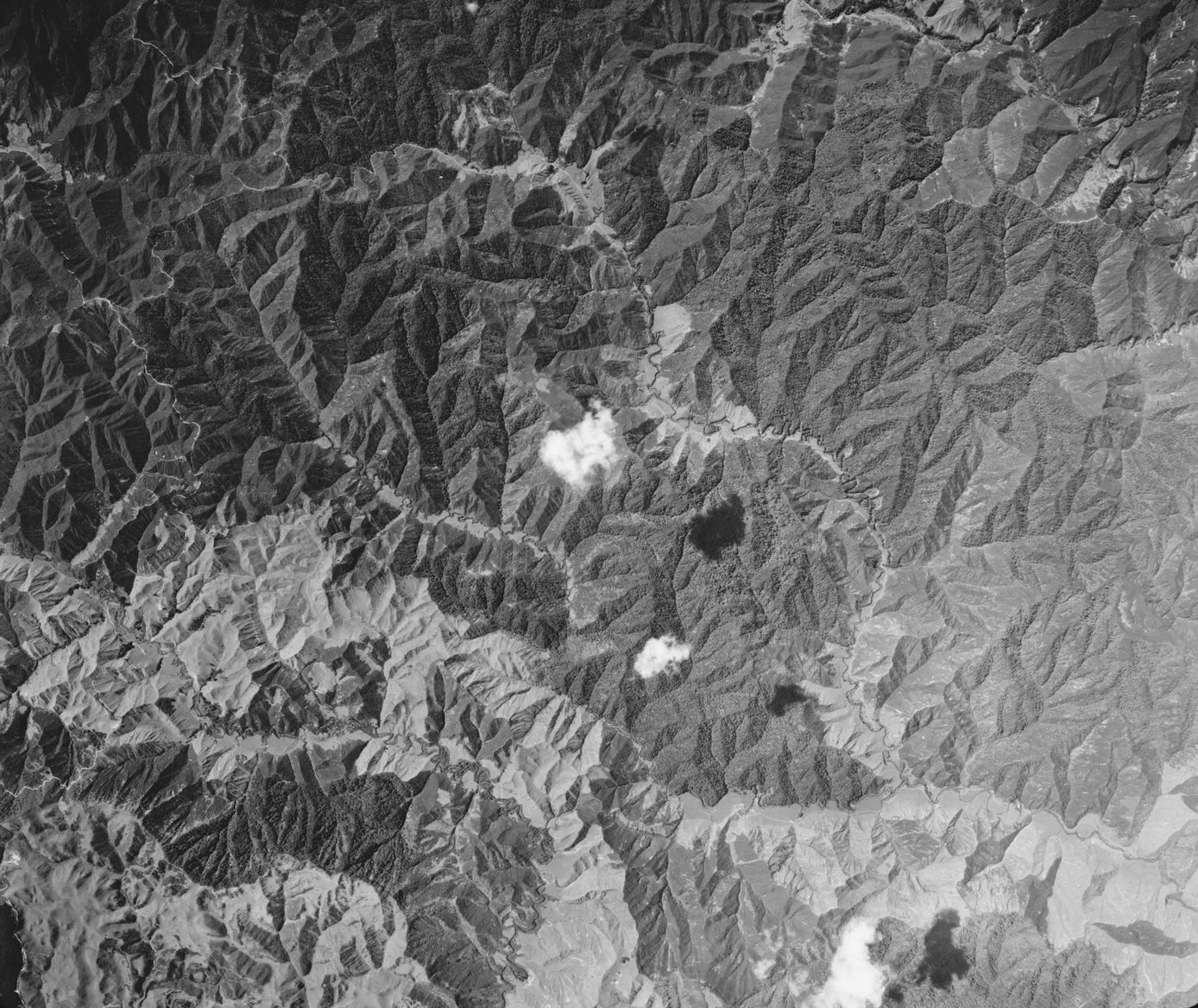
These days we have Topo GPS on our phones. Looking at that spot 30 years on, I can see where we went wrong. But even when batteries die and satellite signals drop, the old wisdom of the land still holds true.
Navigating our way
It takes courage to admit we’re lost. It’s unsettling, but it’s deeply human. You may feel lost but you’re not broken. Realising these patterns and loops – as discomforting as they feel – is actually our deep, nonconscious survival brain keeping us safe and inviting us towards healing.
I’ve found myself lost in life too many times. Sometimes it’s been a slow realisation. Other times it’s been like a brick to the back of the head.
I have a persistent – and at times brutal – inner critic;4 an internal, nagging voice that says I’m broken, I’m a failure, I don’t belong. My default response is to this voice is to relentlessly try to outrun and prove it wrong with compulsive busyness and distraction. But that never works; it reinforces the loop and locks me into an increasing state of high-functioning anxiety that leads to burnout – completing the circle back to failure and shame.
But what if that voice is actually not foe but friend – a warning signal alerting me that I’m heading the wrong way? Instead of outrunning the discomfort, what if I pay attention to the signal, trusting its invitation to pause and recalibrate – to soothe – and practice kindness to myself, and honest vulnerability with others that leads me not further into lostness but back towards love and healing?
If that resonates with you, welcome. Sit here with me for a bit. I don’t have expert answers or directions. But I do have a deep faith that there is something much deeper calling us; that we are never truly lost, and there is a wisdom in our deeper selves beckoning us home. I’ve seen it in the autumn leaves, felt it in the breeze on my cheeks as I sat on a swing by the ocean, and heard it in the calm voice of guides I’ve met along the way – people who know what it means to be lost and have discovered those seasons of dislocation are precisely where they’ve learnt to navigate unfamiliar terrain.
As we find words for these seasons, and honestly share our diverse stories of wrestling with what life throws at us, we begin to discover not just the wisdom of others, but the wisdom buried deep within us. It was always there, in the terrain of our own souls, waiting for us to let go of striving, to sit, breathe, and listen.
I’m not someone who’s got this figured out. But I’m slowly learning to trust that deeper, quieter voice that’s always been whispering, calling me to notice, create, love and trust that I’m okay. Pointing me towards healing, towards home.
Keep an eye out for my next article, exploring the longing for – and the journey towards – home.
For my readers not familiar with kiwi vernacular, ‘Pub’ is the local public bar, ‘Servo’ is service station, or gas station. A one-pub-and-servo town is a sparsely populated place with one watering hole for you, another for your car. Not meant as derogatory, these places are the backbone of rural Aotearoa.
The Crown and Whanganui Iwi signed a Deed of Settlement of the Whanganui River claims on 5 August 2014. Theirs isn’t my story to tell, but it’s one I need to hear and pay attention to so I can better understand my place here. Treaty settlements shouldn’t be seen as ‘one-and-done’ transactions, but a process of healing relationships and an ongoing restoration of mana for Māori, and right relations as a nation founded on bi-cultural relationship. These are the stories I wasn’t taught in school growing up, but they are the stories of the land I grew up in.
https://www.ngatangatatiaki.co.nz/our-story/tupua-te-kawa. To be clear, this whakataukī (Māori proverb or wise saying) speaks deeply to the indigenous relationship of Māori to land and river. The ‘me’ is theirs, not mine. It’s a beautiful part of Māori worldview, but one that I’ll never fully appreciate or understand, and I don’t pretend to lay claim to.
Author and clinical neuroscientist Dr Caroline Leaf has just written a piece on Your Inner Critic Is Not The Enemy, with a helpful (and free) 5-step guide to understanding and reframing its messages. “Your inner critic is a warning signal from your nonconscious mind — the part of you running 24/7 beneath conscious awareness — trying to surface something that needs attention. Suppressing it doesn’t remove it. It increases the charge. What we resist persists. The move is to learn how to read it.”
"Navigating past an oncoming car needed skill. Navigating past an oncoming logging truck needed prayer." - so true! Thanks Mark - I really enjoyed this meander over time (and the washed out photos to go with).
I remember having the feeling of being lost as a youngster. It was at the beach, and it was a bit rare for us to go there, because we lived reasonably far inland. My Grandfather loved the beach and went for long walks, and that day I went with him. We walked until I didn't recognise the landscape anymore, and the rest of family were out of sight - we kept going, and then there were no people to be seen anywhere. He just kept walking, but the emotional discomfort of being so far away from the "known" became too much for me, so I said I was going back. He was ok with that, so I turned and ran. But I remember a kind of curious experience while running back: of a separation between my emotions and my mind. My emotion was a little panicky so I wanted to sprint, but my mind said "pace yourself", because I knew it was a long distance to run. And even though my eyes were telling me I was lost my knowledge was that, by keeping the ocean to my left, if I kept moving I would definitely be "found" again. I just had to trust the logic/suspend my emotional disbelief and stay the course.
It left an impression.